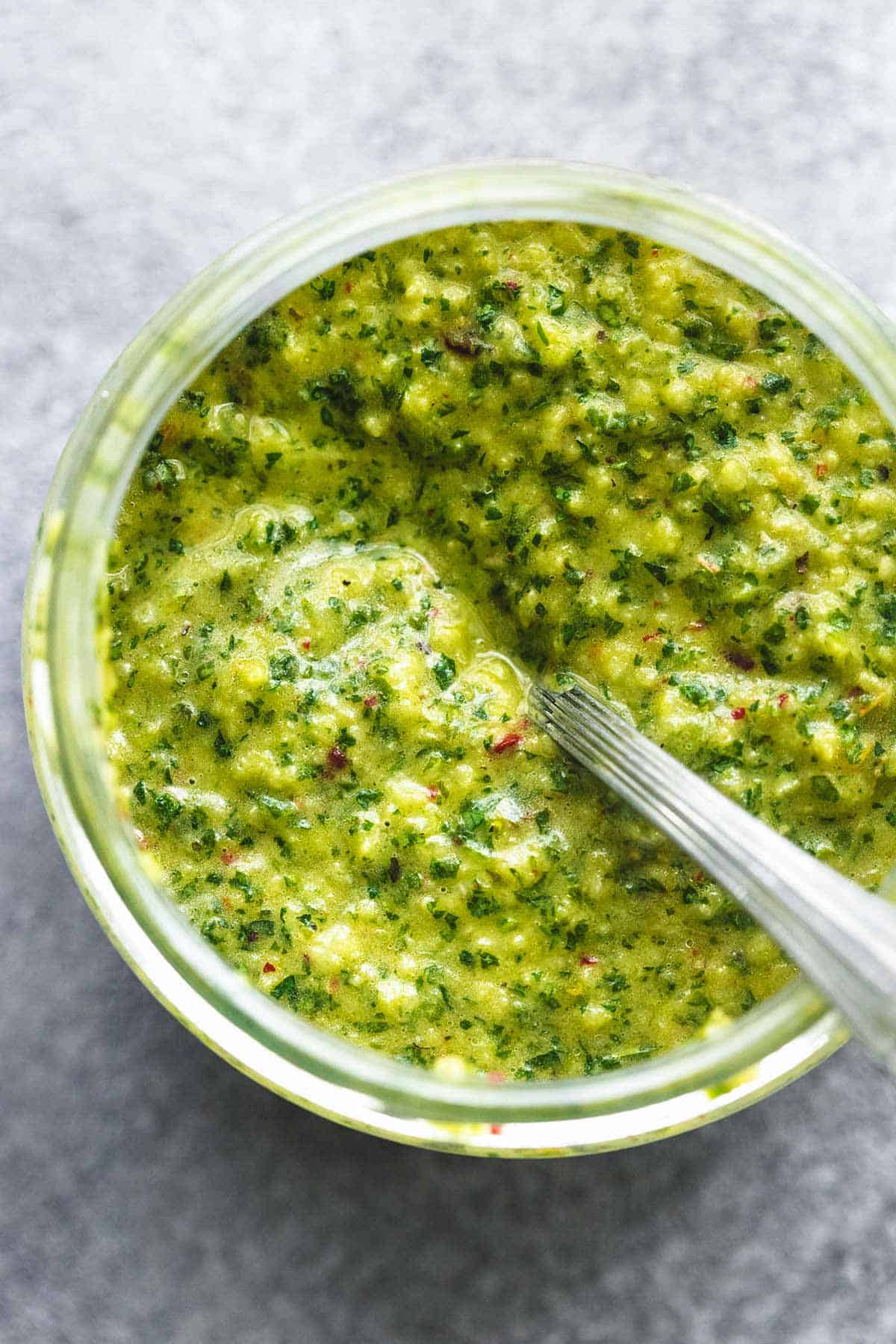
Classic Argentinian Chimichurri: Your Custom Herb Sauce Guide
Imagine a sauce so vibrant, so fresh, and so incredibly flavorful that it instantly elevates every dish it touches. That, my friends, is the magic of classic Argentinian chimichurri sauce. Originating from the heart of Argentina, this emerald-green condiment is far more than just a topping for steak; it’s a culinary powerhouse, a celebration of fresh herbs, and an indispensable part of South American cuisine. Whether you’re a seasoned chef or a home cook looking to add a burst of authentic flavor to your meals, mastering this incredibly simple yet impactful sauce is a game-changer. And the best part? It comes together in minutes with minimal effort.
The Undeniable Allure of Authentic Chimichurri Sauce
For anyone who has experienced the perfect marriage of a sizzling, perfectly grilled steak and a generous spoonful of bright, zesty chimichurri sauce, you understand its profound appeal. It’s a condiment that transforms the mundane into the magnificent, infusing every bite with a bold, garlicky, and herbaceous punch. This no-cook wonder is revered for its incredible ability to cut through the richness of meats, invigorate roasted vegetables, and even transform a simple piece of crusty bread into an irresistible appetizer.
What makes authentic chimichurri so captivating is its simplicity and the quality of its fresh ingredients. Unlike many store-bought sauces that fall flat, homemade chimichurri bursts with an unparalleled freshness and depth. It’s naturally vegan, gluten-free, and dairy-free, making it a universally loved option that caters to nearly any dietary preference. Once you have a jar of this liquid gold in your fridge, you'll find yourself reaching for it constantly, discovering new ways to incorporate its vibrant flavor into your daily cooking.
Crafting Your Perfect Chimichurri Sauce: The Core Ingredients
The beauty of chimichurri sauce lies in its straightforward ingredient list, yet the quality and balance of these components are paramount to achieving that truly authentic, irresistible flavor. Think of these as your building blocks for the best homemade chimichurri.
- Fresh Herbs: The soul of chimichurri.
- Flat-leaf Parsley: This is non-negotiable. Flat-leaf (or Italian) parsley provides the herbaceous backbone, a slightly peppery freshness, and the perfect texture. Avoid curly parsley, which can be bitter and less flavorful.
- Cilantro (Optional but Recommended): While not strictly traditional in every Argentinian household, many modern recipes (and discerning chefs) embrace cilantro for its bright, citrusy notes. It adds another layer of complexity that some find irresistible. If you're not a fan, simply omit it or substitute with more parsley.
- Garlic: The pungent heart. Fresh garlic, finely minced, is essential. The quantity can vary based on your preference – some prefer a more pronounced garlic kick, while others like it subtle.
- Acid: The zesty counterpoint.
- Red Wine Vinegar: This is the classic choice, providing a sharp, tangy bite that brightens the entire sauce and helps to "cook" the fresh garlic and herbs.
- Lemon Juice (Optional): A squeeze of fresh lemon juice can add another layer of brightness, complementing the vinegar without overpowering it.
- Olive Oil: The silky binder. Use a high-quality extra virgin olive oil. Its fruity notes not only carry the flavors but also create the luscious, spoonable consistency of the sauce. The quality of your olive oil genuinely makes a difference here.
- Spices: The subtle warmth.
- Dried Oregano: Essential for that earthy, aromatic depth that balances the fresh herbs.
- Red Pepper Flakes: For a touch of warmth and gentle heat. Adjust to your preferred spice level.
- Salt and Freshly Ground Black Pepper: To season and enhance all the flavors.
Beyond the Basics: Customizing Your Chimichurri Experience
One of the most exciting aspects of classic Argentinian chimichurri sauce is its incredible adaptability. While the core recipe is a masterpiece, it's also a fantastic canvas for personalizing flavors to suit your palate or complement specific dishes. This is where your chimichurri truly becomes a custom herb sauce.
- Herb Play: Don't be afraid to experiment with your herb blend.
- For a bolder, more traditional profile, stick to a parsley-heavy mix.
- If you adore cilantro, increase its ratio for an extra citrusy punch.
- Feeling adventurous? Try adding a small amount of finely minced fresh mint (especially excellent with lamb), basil, or even a hint of fresh dill for unique aromatic twists.
- Heat Level: Control the spice.
- For more kick, simply increase the amount of red pepper flakes.
- For fresh heat, finely mince a jalapeño or serrano pepper and add it to the mix, removing seeds for less heat.
- Aromatic Depth: Introduce other aromatics.
- Finely minced shallots or a tiny bit of red onion can add a subtle sweetness and a delicate oniony bite, enhancing the complexity.
- Acidity Boost: Adjust the tang.
- If you prefer a brighter sauce, add an extra splash of red wine vinegar or a more generous squeeze of fresh lemon juice.
- Texture Control: Hand-chopped vs. Food Processor.
- For the most authentic, slightly chunky texture, meticulously hand-chopping your herbs and garlic is the way to go. This yields a more rustic, robust mouthfeel.
- If you’re short on time, a few quick pulses in a food processor can speed things up. However, be careful not to over-blend; you want a textured sauce, not a smooth pesto. Over-blending can also bruise the herbs, leading to a duller color and flavor.
The beauty of customization means you can tailor your chimichurri to be the perfect companion for anything from grilled shrimp to a hearty lentil soup.
Mastering the Method: Simple Steps to a Sensational Sauce
Creating a batch of vibrant, flavorful chimichurri sauce is incredibly straightforward, often taking less than 15 minutes from start to finish. It’s a no-cook recipe that punches far above its weight in terms of flavor impact.
- Prepare Your Herbs: Wash your fresh parsley and cilantro thoroughly and pat them very dry. Moisture can dilute the flavor and compromise the sauce's shelf life. Finely chop them by hand. This is a crucial step; aim for a consistent, fine mince for the best texture and flavor distribution.
- Mince Your Aromatics: Peel and finely mince your garlic. The finer the mince, the better the garlic flavor will integrate into the sauce without being overwhelmingly raw.
- Combine Dry Ingredients: In a medium bowl, combine your finely chopped herbs, minced garlic, dried oregano, and red pepper flakes. Give them a quick stir to distribute evenly.
- Add Liquids and Season: Pour in the red wine vinegar and then slowly drizzle in the extra virgin olive oil, stirring continuously until everything is well combined and the oil is fully emulsified. Season generously with salt and freshly ground black pepper to taste.
- The Essential Resting Period: This step is often overlooked but is vital for the optimal flavor of your chimichurri sauce. Once mixed, cover the bowl and let the sauce sit at room temperature for at least 15 to 30 minutes. This allows the flavors to meld and deepen beautifully, transforming individual ingredients into a harmonious whole.
- Taste and Adjust: Before serving, give your chimichurri a final taste. This is your moment to adjust for balance. Does it need more salt? A touch more vinegar for brightness? A little extra kick from more chili flakes? Adjust according to your preference.
Versatility Spotlight: More Than Just a Steak Sauce
While chimichurri sauce is famously the ultimate partner for grilled steak, its versatility extends far beyond the barbecue. This bright, herbaceous condiment can truly make anything it touches taste instantly more alive. Don't limit its potential!
- Grilled & Roasted Meats: Steak is a given, but it’s equally incredible with grilled chicken, pork chops, lamb, and even sausages.
- Seafood Sensation: Drizzle it over grilled fish like salmon or cod, or serve it with seared scallops or shrimp. The acidity and freshness perfectly complement delicate seafood.
- Vegetable Enhancer: Transform roasted vegetables (potatoes, carrots, broccoli, asparagus) into something extraordinary. It’s also fantastic tossed with grilled corn on the cob or a simple garden salad.
- Marinade Magic: Use it as a vibrant marinade for chicken or tougher cuts of steak. The vinegar and oil tenderize while infusing incredible flavor. For more ideas on how to use this amazing condiment, check out our guide on Easy Homemade Chimichurri: The Versatile Green Sauce.
- Sandwiches & Wraps: Spread it on burgers, sandwiches, or wraps for an instant flavor upgrade.
- Eggs & Grains: Swirl a spoonful into scrambled eggs or drizzle over a grain bowl for a pop of freshness.
- Dipping Delight: Simply serve it with crusty bread for a simple yet addictive appetizer.
Storage Tip: Store any leftover chimichurri sauce in an airtight container in the refrigerator for up to one week. The olive oil may solidify when chilled, so bring it to room temperature for about 20-30 minutes before serving, and give it a good stir.
Ultimately, making your own classic Argentinian chimichurri is a rewarding culinary endeavor. It's an easy, no-cook recipe that delivers immense flavor, unparalleled freshness, and incredible versatility. Once you've mastered the basic technique, feel empowered to customize it to your heart's content, creating a bespoke herb sauce that perfectly complements any meal. This isn't just a sauce; it's a vibrant expression of flavor that deserves a permanent spot in your culinary repertoire.
