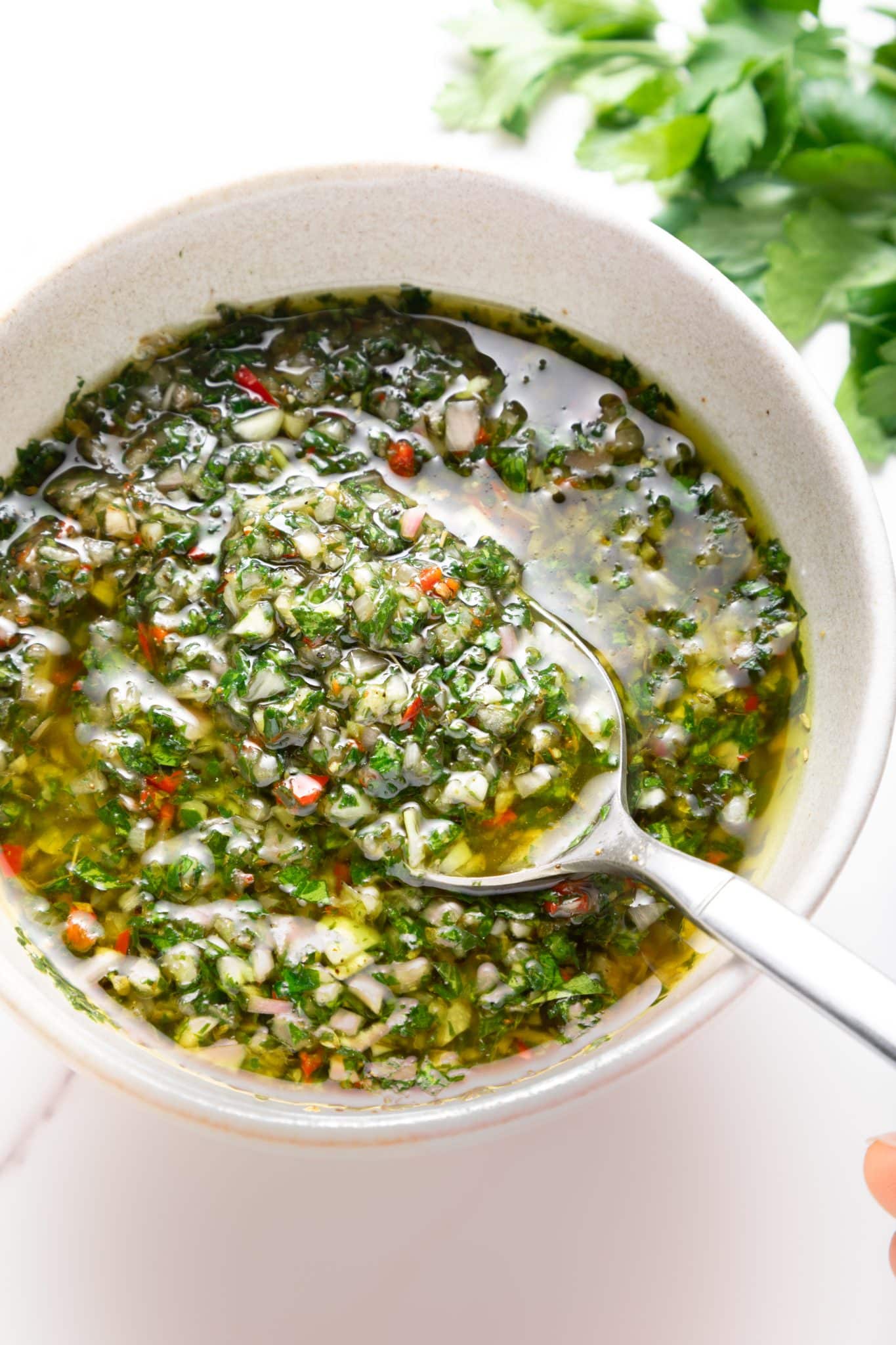
Unlock a World of Flavor with Easy Homemade Chimichurri: Your New Favorite Green Sauce
Imagine a vibrant, herbaceous green sauce, bursting with zesty, garlicky goodness, ready to transform any meal into a culinary masterpiece. That’s the magic of chimichurri sauce, an iconic Argentinian condiment that has captivated palates worldwide. Often lauded as the "flavor powerhouse" of the grill, this versatile sauce is incredibly simple to make at home, yet it delivers a complexity and freshness that store-bought versions can only dream of. Forget bland meals; a jar of homemade chimichurri in your fridge is your secret weapon for instantly elevating everything from a perfectly seared steak to humble roasted vegetables.
As culinary enthusiasts, we know the immense satisfaction of crafting essential sauces and condiments from scratch. And when it comes to herby green sauces, chimichurri truly stands out. It's not just a sauce; it's an experience – fresh, bold, and surprisingly easy to whip up in under 15 minutes. Whether you're a seasoned chef or a beginner in the kitchen, mastering this essential recipe is well worth your time, promising restaurant-quality flavor with minimal effort.
What Makes Homemade Chimichurri Sauce So Special?
The allure of chimichurri sauce lies in its vibrant simplicity and profound impact. It's a testament to how fresh, high-quality ingredients can come together to create something truly extraordinary. Here’s why this green sauce deserves a permanent spot in your culinary repertoire:
- Unparalleled Freshness: Unlike bottled condiments, homemade chimichurri boasts an invigorating freshness. The intense aroma of just-chopped herbs and garlic awakens the senses and brings an unmatched vibrancy to any dish.
- Bold & Complex Flavor: It's a harmonious blend of zesty acidity from vinegar, pungent garlic, herbaceous notes from parsley and oregano, and a subtle warmth from red pepper flakes. This symphony of flavors creates a sauce that is both bright and deep, cutting through richness and enhancing natural flavors.
- Effortless Preparation: This is a true "no-cook" recipe. With minimal chopping and mixing, you can have a batch ready in less than 15 minutes. The most challenging part is simply waiting for the flavors to meld, which only takes a short resting period.
- Dietary Inclusivity: Naturally vegan, gluten-free, and dairy-free, chimichurri is a fantastic option for almost any dietary need, ensuring everyone at your table can enjoy its incredible taste without compromise.
- Versatility Personified: While famous for its pairing with grilled meats, chimichurri’s applications extend far beyond. It’s a truly adaptable condiment that finds a welcome place in countless culinary creations, from marinades to sandwich spreads.
Once you experience the captivating taste of authentic, fresh chimichurri sauce, you'll understand why friends and family alike will be asking you for the recipe. It truly makes everything it touches taste instantly more alive.
The Essential Ingredients for the Best Chimichurri Sauce
The beauty of a classic chimichurri sauce recipe lies in its reliance on simple, fresh ingredients. The quality of these components directly impacts the final flavor, so opt for the best you can find.
- Fresh Flat-Leaf Parsley: This is the backbone of traditional chimichurri. Its bright, peppery notes are essential. Using flat-leaf (Italian) parsley offers the best flavor and texture compared to curly parsley.
- Fresh Cilantro (Optional, but Recommended): While not strictly classic Argentinian, many chefs and home cooks, myself included, find that adding cilantro brings an extra layer of freshness and a beautiful earthy counterpoint. Adjust to your preference.
- Fresh Garlic: Minced finely, garlic provides the characteristic pungency and depth. Don't skimp on it, and always use fresh cloves over pre-minced for superior flavor.
- Extra Virgin Olive Oil: A good quality EVOO is crucial. It binds the ingredients, creates a silky texture, and imparts a fruity, sometimes peppery, undertone.
- Red Wine Vinegar: This is the classic acidic component, delivering that vital tang that balances the richness of the oil and the intensity of the herbs and garlic. For a brighter note, a touch of fresh lemon juice can also be added.
- Dried Oregano: Essential for adding an earthy, savory depth that grounds the brighter fresh flavors.
- Red Pepper Flakes: For a touch of warmth and subtle heat. Adjust the amount to suit your spice preference.
- Salt and Freshly Ground Black Pepper: To taste, enhancing all the other flavors.
These core ingredients form the foundation, but as you'll discover, chimichurri is wonderfully forgiving and open to customization.
Crafting Your Easy Homemade Chimichurri Sauce: A Step-by-Step Guide
Making chimichurri sauce is incredibly straightforward, whether you prefer the meditative process of hand-chopping or the speed of a food processor. The key is to achieve a texture that is finely chopped but still boasts some delightful chunkiness, allowing each ingredient to shine.
Method 1: The Classic Hand-Chopped Approach (Recommended for Best Texture)
- Prepare Your Herbs: Wash and thoroughly dry your fresh parsley (and cilantro, if using). Remove any thick stems. Finely chop the herbs as evenly as possible. The finer the chop, the more smoothly the flavors will meld.
- Mince Garlic: Peel and finely mince your garlic cloves. You want them very small, almost a paste, but not pureed.
- Combine Dry Ingredients: In a medium-sized bowl, combine the chopped parsley, cilantro, minced garlic, dried oregano, and red pepper flakes. Stir to distribute.
- Add Liquids: Pour in the red wine vinegar and then slowly drizzle in the extra virgin olive oil, stirring continuously until all ingredients are well combined and suspended in the oil.
- Season and Rest: Season generously with salt and freshly ground black pepper. Stir again. This is a crucial step: let the sauce sit for at least 15-30 minutes at room temperature. This resting period allows the flavors to truly meld and deepen, transforming individual notes into a harmonious symphony.
- Taste and Adjust: Before serving, taste your chimichurri. This is your chance to make it perfect! You might want to add more salt, a touch more vinegar for brightness, a squeeze of lemon juice, or extra chili flakes for more heat.
Method 2: The Quick Food Processor Method
If you're truly short on time, a food processor can speed things up, but exercise caution to avoid over-blending. We're aiming for a rustic, chunky texture, not a smooth pesto.
- Rough Chop: Roughly chop your herbs and garlic.
- Pulse Ingredients: Place herbs, garlic, dried oregano, and red pepper flakes into the food processor. Pulse a few times until finely chopped but still visibly textured. Avoid continuous blending.
- Add Liquids & Pulse: Pour in the red wine vinegar and slowly add the olive oil through the feed tube while pulsing just a few more times. Stop as soon as everything is combined.
- Season and Rest: Transfer to a bowl, season with salt and pepper, and allow to rest for 15-30 minutes to let the flavors develop. Adjust seasoning as needed.
For more detailed insights on unlocking the most robust flavors, check out our guide: Unlock Bold Flavor: Your Guide to Homemade Chimichurri.
Beyond the Steak: Versatile Uses for Your Chimichurri Sauce
While chimichurri sauce is synonymous with grilled steak, its extraordinary versatility means it can enhance an incredible array of dishes. Once you have a jar of this green gold in your fridge, you'll find yourself reaching for it constantly.
- Grilled & Roasted Meats: The classic pairing! Drizzle generously over grilled steak (flank, skirt, ribeye), chicken, pork chops, or lamb. The bright, acidic notes cut through the richness of the meat beautifully.
- Seafood: Spoon over grilled fish fillets (salmon, cod, mahi-mahi), shrimp, or scallops for a fresh, zesty kick.
- Roasted Vegetables: A true game-changer! Toss with roasted potatoes, asparagus, broccoli, cauliflower, or bell peppers. It brightens and adds depth to earthy vegetables.
- Marinade: Use it as a marinade for chicken, fish, or tougher cuts of steak before grilling. The vinegar and oil tenderize while infusing incredible flavor.
- Eggs: A dollop over scrambled eggs, fried eggs, or an omelet elevates your breakfast or brunch.
- Sandwiches & Wraps: Spread it on bread, wraps, or flatbreads instead of mayonnaise or pesto for an instant flavor upgrade. It's particularly good with grilled chicken or veggie sandwiches.
- Grain Bowls & Salads: Stir into quinoa, rice bowls, or use as a vibrant dressing for green salads.
- Dipping Sauce: Serve with crusty bread for a simple, satisfying appetizer.
- Potatoes: Spoon over baked potatoes, smashed potatoes, or even french fries.
Customizing Your Chimichurri: Make It Your Own
One of the joys of making homemade chimichurri sauce is how easily it can be adapted to personal taste. Don't be afraid to experiment!
- Spice Level: Increase or decrease the red pepper flakes to suit your preference. For an even spicier kick, consider adding a finely minced fresh chili like serrano or jalapeño.
- Herb Variations: While parsley is standard, feel free to adjust the ratio of parsley to cilantro. For a more intense herbal flavor, you can increase the amount of parsley or even omit cilantro if you're not a fan. A touch of fresh mint can add a refreshing twist, especially when paired with lamb, while chives can offer a milder oniony note.
- Acidity Boost: If you prefer a brighter sauce, add a squeeze of fresh lemon juice along with or in place of some of the red wine vinegar.
- Aromatics: Finely minced shallots or a very small amount of finely minced red onion can add a subtle sweetness and extra depth to the sauce.
- Texture Play: For an extra chunky chimichurri, opt for hand-chopping your ingredients rather than using a food processor.
Dive deeper into creating your ideal batch with our guide: Classic Argentinian Chimichurri: Custom Herb Sauce Guide.
Storage Tips for Freshness
Your fresh chimichurri sauce will taste best when enjoyed within a few days, but it can be stored:
- Refrigeration: Transfer your chimichurri to an airtight container and store it in the refrigerator for up to one week.
- Bring to Room Temperature: The olive oil in the sauce may solidify slightly when chilled. For the best flavor and pourable consistency, it's always best to bring the sauce to room temperature for about 15-30 minutes before serving. Give it a good stir before drizzling.
- Expert Tip: To further prolong freshness and prevent oxidation, pour a thin layer of extra virgin olive oil over the surface of the chimichurri in its container before sealing. This creates a barrier against air.
Conclusion
Homemade chimichurri sauce is more than just a condiment; it's a testament to the power of fresh, simple ingredients to create something truly extraordinary. Its vibrant flavor, incredible versatility, and effortless preparation make it an essential recipe for any home cook. From elevating a weeknight dinner to impressing guests at a barbecue, this zesty green sauce is guaranteed to become a beloved staple in your kitchen. So, gather your fresh herbs, mince that garlic, and get ready to experience the delicious magic of homemade chimichurri. Your taste buds will thank you!
